
ETIAS: not running yet
ETIAS is the travel authorization that visa-exempt travelers will need before visiting most European countries. It will cover passport holders from countries such as the United States, the United Kingdom, Canada, Australia, Mexico, Colombia and Argentina.
As of November 2026 it is not in operation, no applications are being collected, and there is no confirmed launch date. The EU dropped its "last quarter of 2026" target from the official site in July 2026 and says it will announce the start date several months in advance. Any website charging you for an ETIAS application today isn't the official system.
When ETIAS does start, the application will ask for your passport, contact details, travel history and the first country you plan to enter. It won't ask for a flight booking.
If you need a Schengen visa, for example with a Turkish, Indian or Nigerian passport, ETIAS doesn't apply to you at all. You keep applying for the visa, and the flight reservation stays part of that file.
EES: already at the border
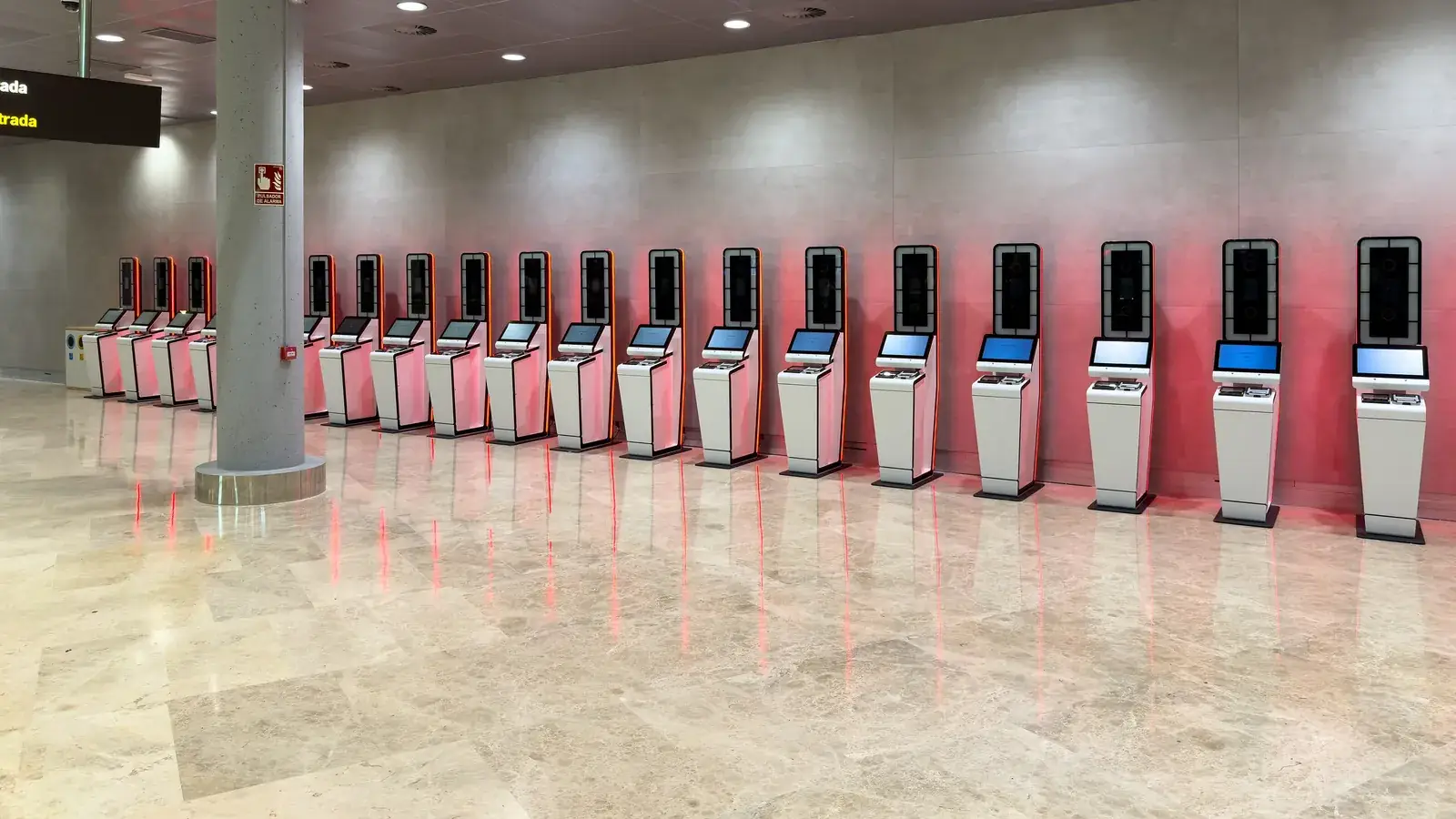
The Entry/Exit System replaced passport stamps for non-EU short-stay travelers. It started on 12 October 2025 and was fully rolled out by April 2026. On your first entry, the border records your passport, fingerprints and a face photo. After that, every entry and exit is logged electronically.
The practical change is that your 90 days in any 180-day period are now counted automatically. An overstay is visible straight away. Your planned exit date has to fit your remaining days, and EES makes that easy for officers to check.
Where the return ticket comes in
The Schengen entry conditions haven't changed with ETIAS or EES. At the border you must be able to show the purpose of your stay, where you'll stay, enough money, and that you'll leave before your permitted days run out. Border guards can ask for a return or onward ticket as part of that, especially if you arrive on a one-way flight.
Airlines flying into Europe rarely refuse visa-exempt passengers for this, but the question at passport control is common for one-way arrivals. Saying "I'm flying back from Lisbon on 20 May" and showing the booking ends the conversation in seconds.
| ETIAS | EES | Border check | |
|---|---|---|---|
| Status | Not running, no start date | In operation since October 2025 | Always |
| Asks for a flight booking | No | No | Can ask for proof of return |
| Who it affects | Visa-exempt travelers | All non-EU short-stay travelers | All non-EU travelers |
If you're arriving one-way
Plan your exit inside your 90 days and have a booking that shows it. If you haven't chosen the flight yet, Avionward creates a real reservation in your name with an airline booking reference, from $12, delivered by email in 2 minutes. A standard reservation stays active for 72 hours from creation, so create it just before you fly to Europe; departures at least 10 days away can get 7-day validity.
Leaving Europe toward Morocco, Turkey or the UK counts as an exit from the Schengen area. A flight from Spain to Italy doesn't, because both are inside it. Our country table shows what each European country lists.
ETIAS and EES questions
Do I need ETIAS to travel to Europe right now?
No. ETIAS is not in operation and no start date has been announced. Visa-exempt travelers enter with their passport, as before.
Does EES require a return ticket?
No. EES records your entry and exit. The border guard can still ask about your return under the normal Schengen entry conditions.
Will ETIAS ask for my flight details?
It will ask which country you plan to enter first, but not for a flight booking.
I need a Schengen visa. Does ETIAS change anything for me?
No. ETIAS is only for visa-exempt travelers. You keep applying for a visa, and the flight reservation remains part of your application.