
Before boarding an international flight, the airline checks whether the documents presented appear to meet the destination and transit rules for that passenger and itinerary. The review can cover passport validity, visas or authorizations, transit conditions and proof of departure. Border authorities still make their own admission decision on arrival.
Why the airline checks before it issues a boarding pass
International carriers have to transport passengers in line with government entry requirements and can face fines, operational disruption and return-transport obligations when someone arrives without acceptable documentation. That is why a boarding pass may be withheld until a document review is complete.
The check is specific to the person and route. Passport nationality and validity, visa status, residence permits, trip purpose, transit points and destination can all change the answer. Another passenger on the same flight may receive a faster or entirely different review.
Timatic turns destination rules into a check-in result
Many airlines and ground handlers use IATA's Timatic products to access current passenger travel requirements inside their check-in systems. The system combines itinerary and traveler information with rules gathered through a network of government and airline sources. It can identify which documents require manual review or digital capture.
Airline procedures, data entered at check-in and the documents physically presented still matter. The IATA Travel Centre gives travelers access to related requirement information before reaching the airport.
What the agent may ask to see
Prepare the passport or travel document, required visa or electronic authorization, and any residence or transit evidence relevant to the journey. Depending on the destination, the review can also include accommodation, funds, health documents or a return or onward itinerary.
A separately booked onward sector may not appear in the inbound carrier's reservation. Keep its original confirmation, PNR and passenger details available. If the next country requires a visa, have that evidence ready as well.
Automated check-in can still lead to a manual desk review
An online check-in failure does not necessarily mean the passenger is ineligible to travel. The airline may need to scan a document, confirm a visa condition or have an experienced agent interpret an exception. Arrive with enough time for that process rather than repeatedly submitting the same information online.
At the desk, answer the precise question and present the cleanest supporting document. A chronological set—passport, entry permission, inbound booking and onward route—is easier to assess than a phone gallery of unrelated screenshots.
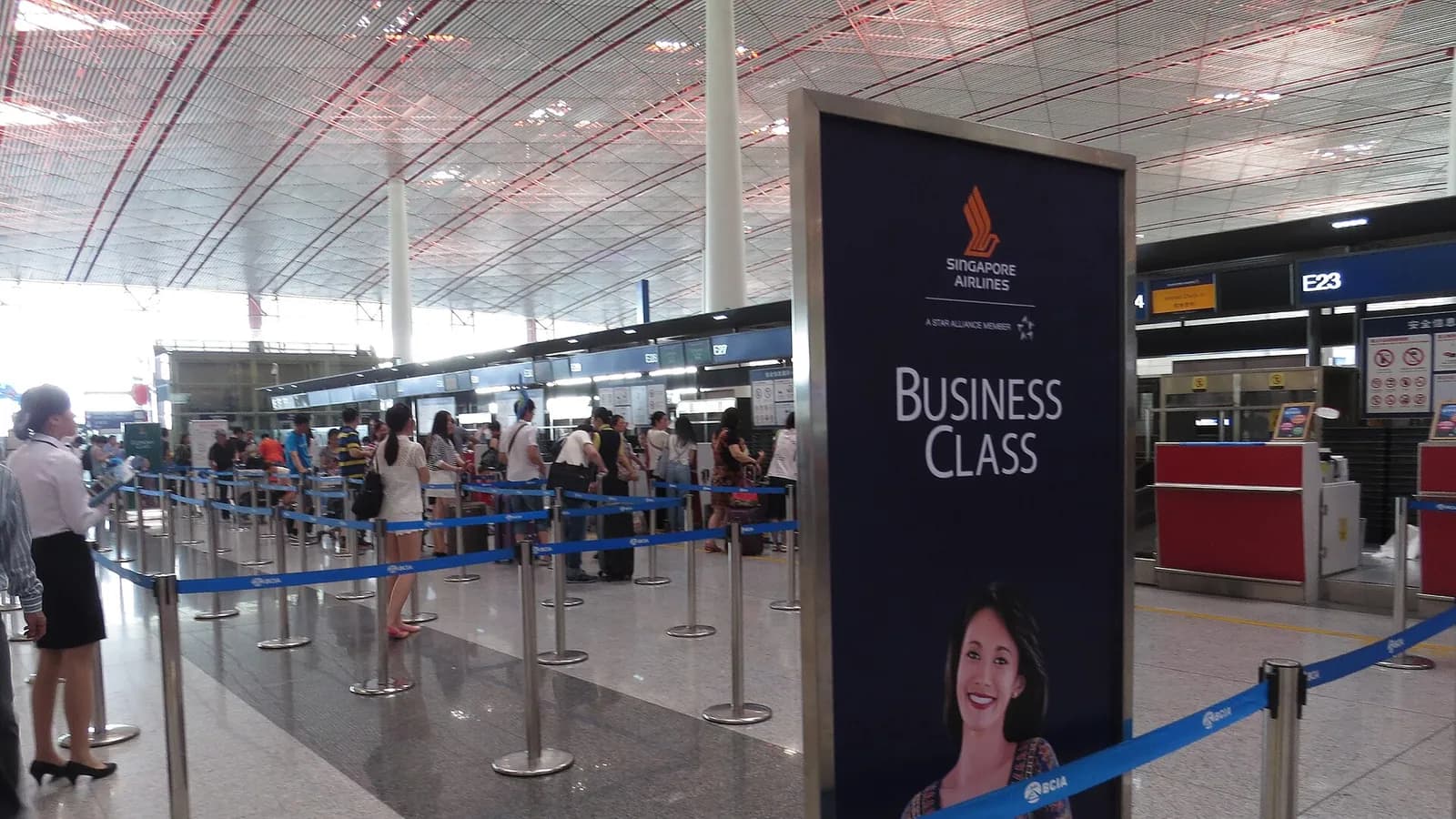
What DOCV on a boarding pass means
DOCV, or a note such as "document check required" or "visa check", means the airline still has to look at your travel documents before you board. It usually appears when online check-in could not confirm everything itself, for example a visa, a residence permit or proof of onward travel for a destination that asks for one.
Take the boarding pass, passport and supporting documents to the check-in or document desk before security if you can. Once an agent has seen them, the airline records the check or stamps the boarding pass, depending on its procedure. If you skip this step, gate staff can refuse boarding even though you already have a boarding pass, so leave time for it. Have your onward or return booking ready alongside the passport: it is one of the documents agents most often ask for.
Airline clearance and border admission are separate
Passing the airline's check allows the carrier to proceed with boarding under its current assessment. It does not bind the immigration officer at the destination. Border staff can ask about the purpose and length of the visit, accommodation, funds and the planned departure before deciding admission.
The reverse problem can also arise: a traveler may believe they qualify under a rule but be unable to show the evidence in the form the airline needs. Checking official guidance early and carrying the original documents reduces that gap.
Prepare a verifiable onward reservation when it is relevant
When the journey needs a flight reservation showing departure, Avionward can create a real temporary booking with a PNR and email the PDF itinerary in 2 minutes. The service starts from $12, includes a minimum 72-hour validity guarantee and offers 24/7 support. Optional 7-day validity is available at checkout for departures at least 10 days away. The selected period begins when the reservation is created.
Create it close to departure or use Activate Later so the booking is active when check-in occurs. The itinerary should complement the passport and entry documents, not replace them. If you want to take the flight shown, contact Avionward to purchase the actual ticket before travel.
Frequently asked questions
Do all passengers receive the same document check?
No. Passport, destination, visa status, transit route and travel purpose can produce different requirements even for passengers on the same flight.
Can an airline ask for proof of onward travel?
Yes. The carrier may request evidence of departure when the destination rules or its document-check result require it.
What happens after airline check-in?
Immigration officers review your documents on arrival and may ask how and when you are leaving. Keep the same onward itinerary on your phone for that conversation.